
The complete guide
How to Choose Face Frame Cabinet Hinges That Fit
When a cupboard door stops behaving
A cupboard door that will not stay closed can turn a small daily task into a nuisance. You push it shut, step away and find it sitting open again. A loose or worn hinge may be part of the problem, but buying a replacement by appearance alone can create more work.
Cabinet hinges need to match the cabinet construction and the door. Two hinges can look similar in a photograph yet use different mounting positions or suit different door overlaps. The useful first step is to inspect what you already have.
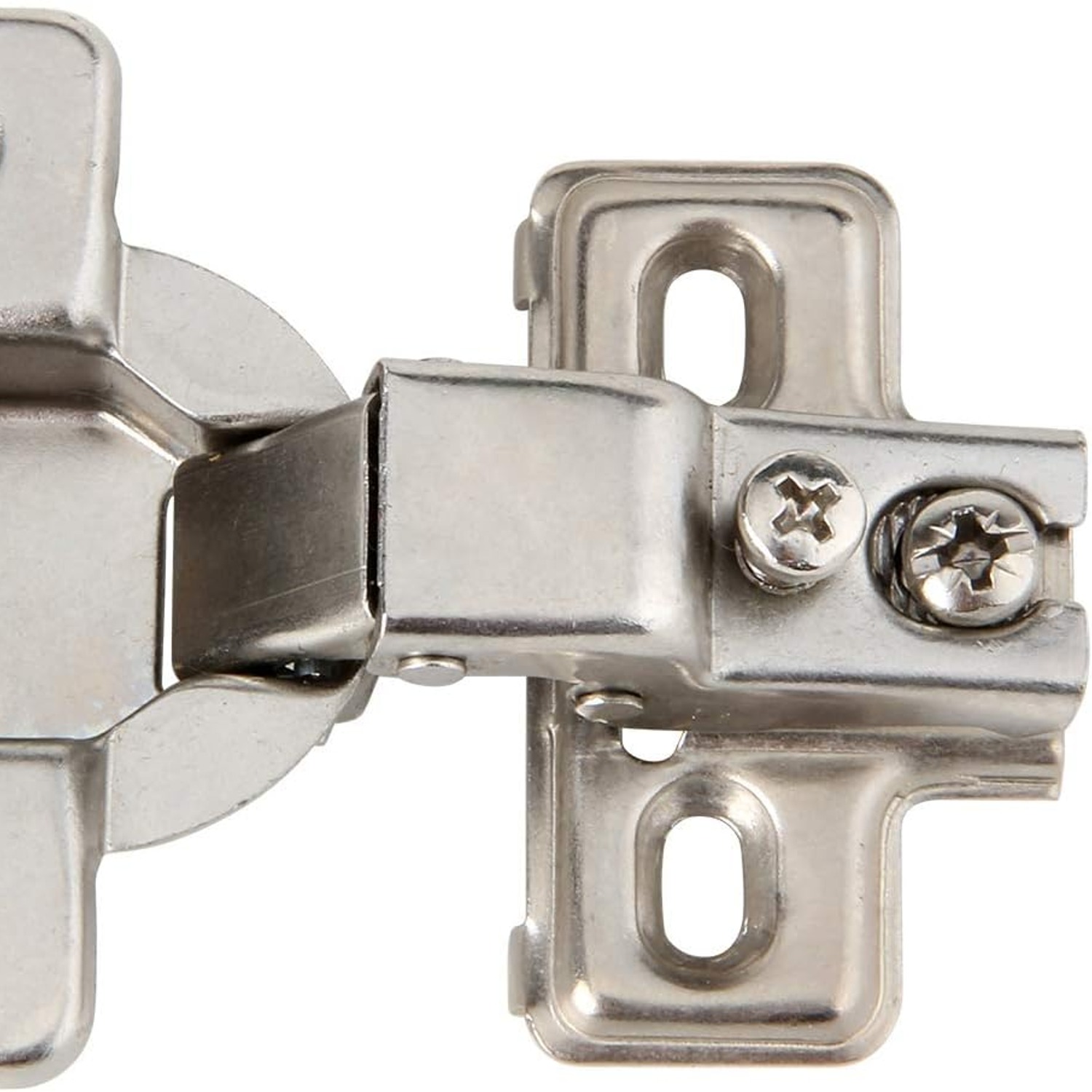
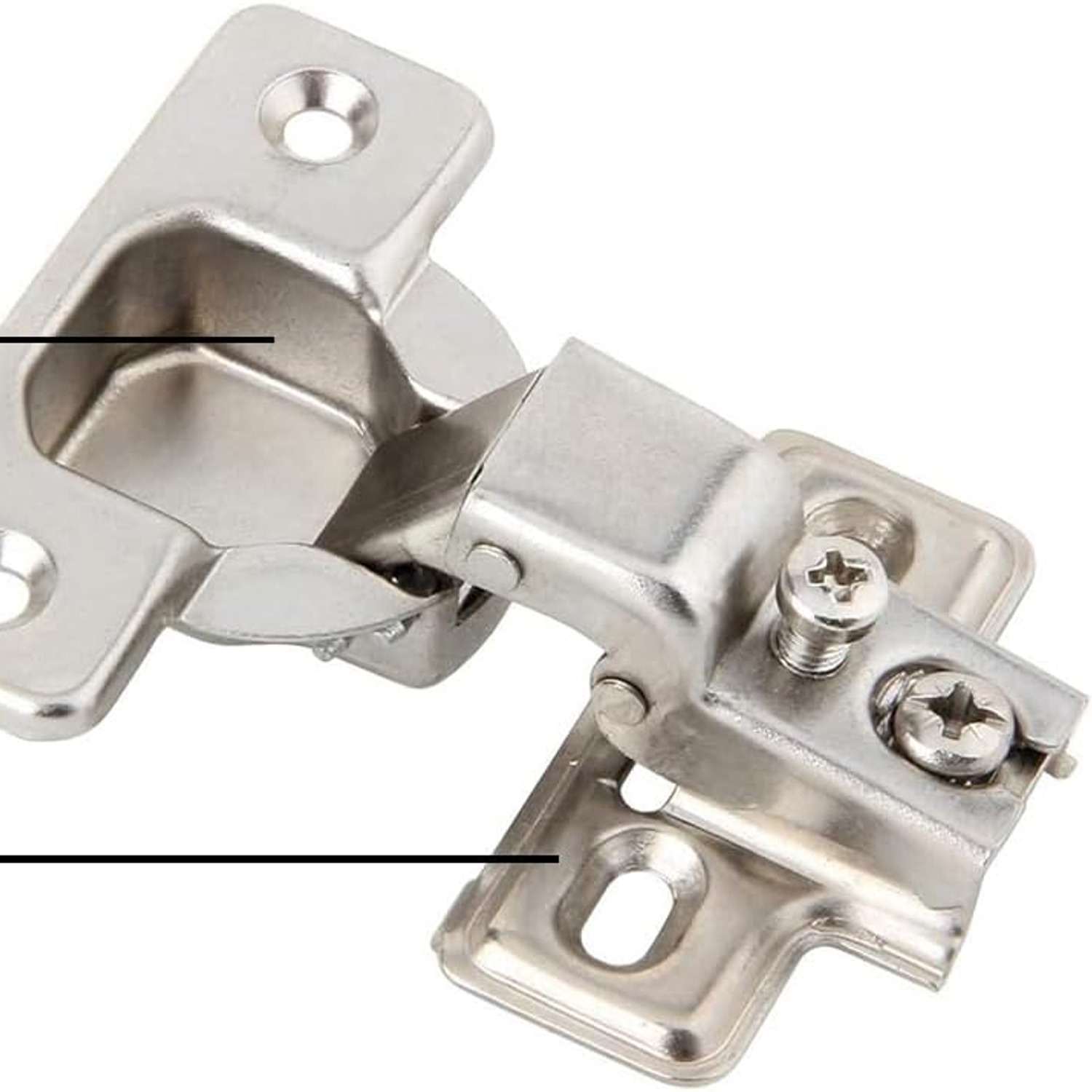
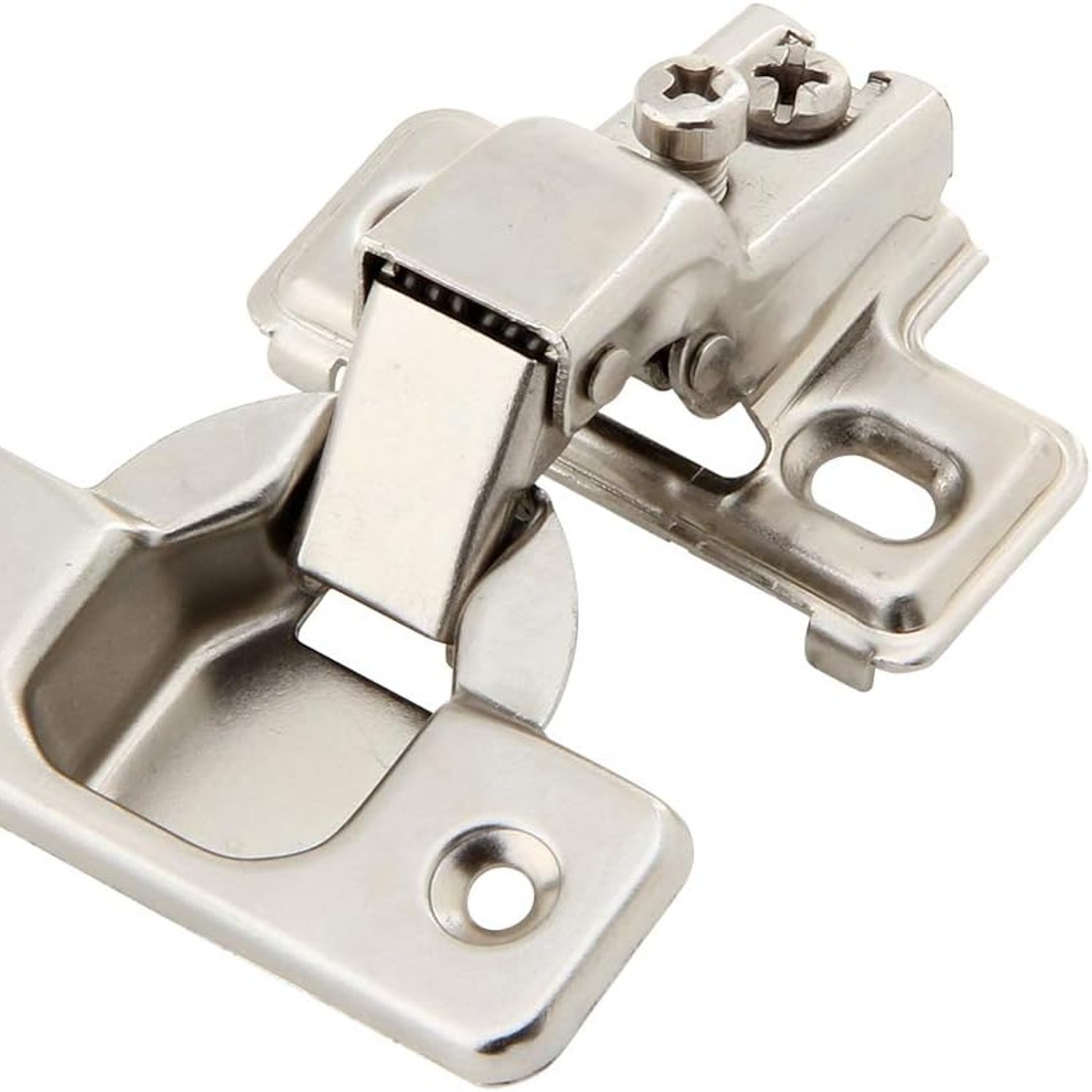
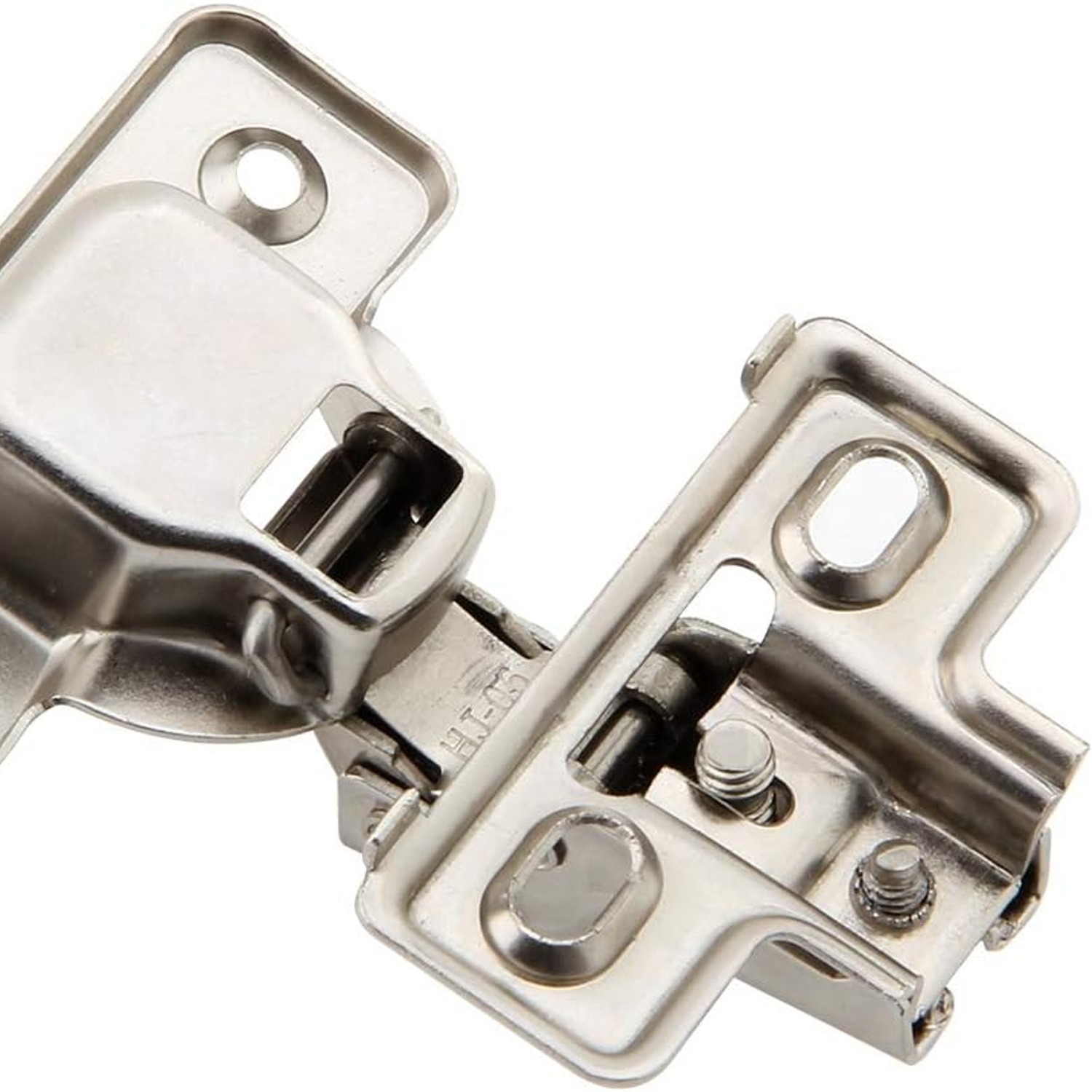
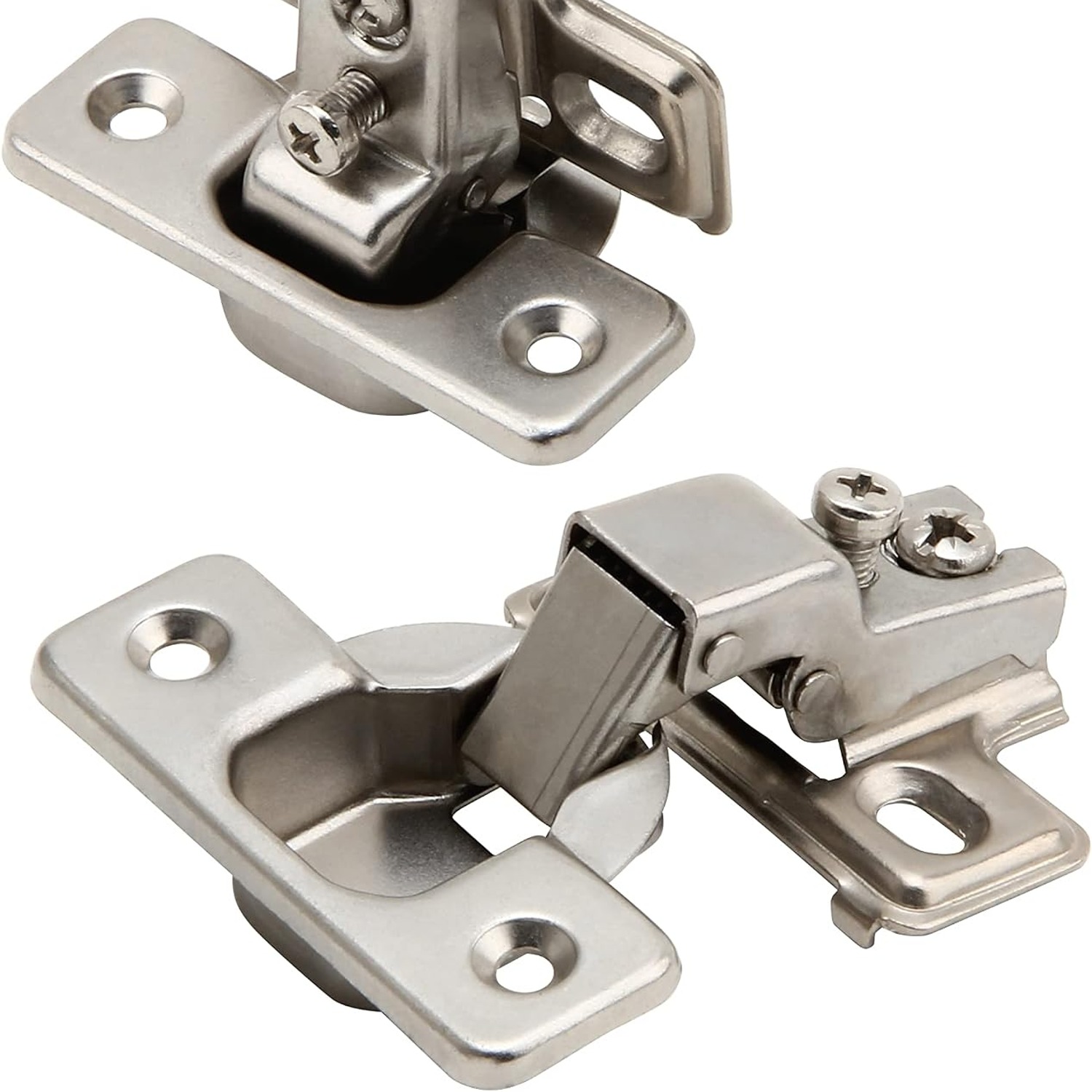
The Silverline 35105 pack contains six self-closing concealed hinges intended for face-frame cabinets. They have a stated opening angle of 105 degrees and come with plates and screws. Those facts make a starting point for comparison, not a promise that they will fit every cupboard.
Start with the cabinet frame
Open the door and look at the front of the cabinet box. A face-frame cabinet has a frame around that opening. The door hinge connects at this front structure rather than relying on the same arrangement used by a frameless cabinet.
These face frame cupboard hinges are intended for the framed style. If your cabinet has no front frame, do not assume an extra plate or a new screw position will make them suitable. Confirm the correct hinge type before changing anything.
It also helps to photograph the existing hinge while it is still fitted. Take a view of the door side and another of the frame connection. These pictures can make it easier to discuss compatibility with a cabinet fitter or the store, especially if the old hardware has no readable model number.
What self-closing actually means
A self closing concealed hinge is designed to help bring a compatible door closed. The concealed layout keeps the hardware out of view when the door is shut, which suits cupboards where the focus should stay on the door fronts.
Self-closing and soft-close are different features. Soft-close usually refers to a damped final movement that slows the door. This record specifies self-closing operation, but it does not list that a damper is included.
That distinction matters if your main aim is to reduce closing noise. Do not buy these on the assumption that they will cushion a door. If slow closing is essential, ask for confirmation or choose hardware with that feature clearly stated.
A hinge also cannot solve every door problem. A door that catches may have loose screws, damaged mounting material or another alignment issue that needs attention.
Think about the opening angle
These are 105 degree cabinet hinges. The number describes the stated opening range, so it is worth comparing it with how you use the cupboard.
Picture the door in the open position. Is there a wall beside it? Will the handle meet another door or an appliance? Is there enough room to reach the back of the shelf without pushing the door farther?
A wider angle is not always the right answer. In some layouts, nearby surfaces limit useful movement anyway. What matters is choosing an angle that works in the space rather than treating the largest number as the best choice.
Do not force the door past the hinge's intended range. If access remains awkward, review the cabinet layout and hinge requirements instead of using extra pressure.
Measure before choosing a replacement
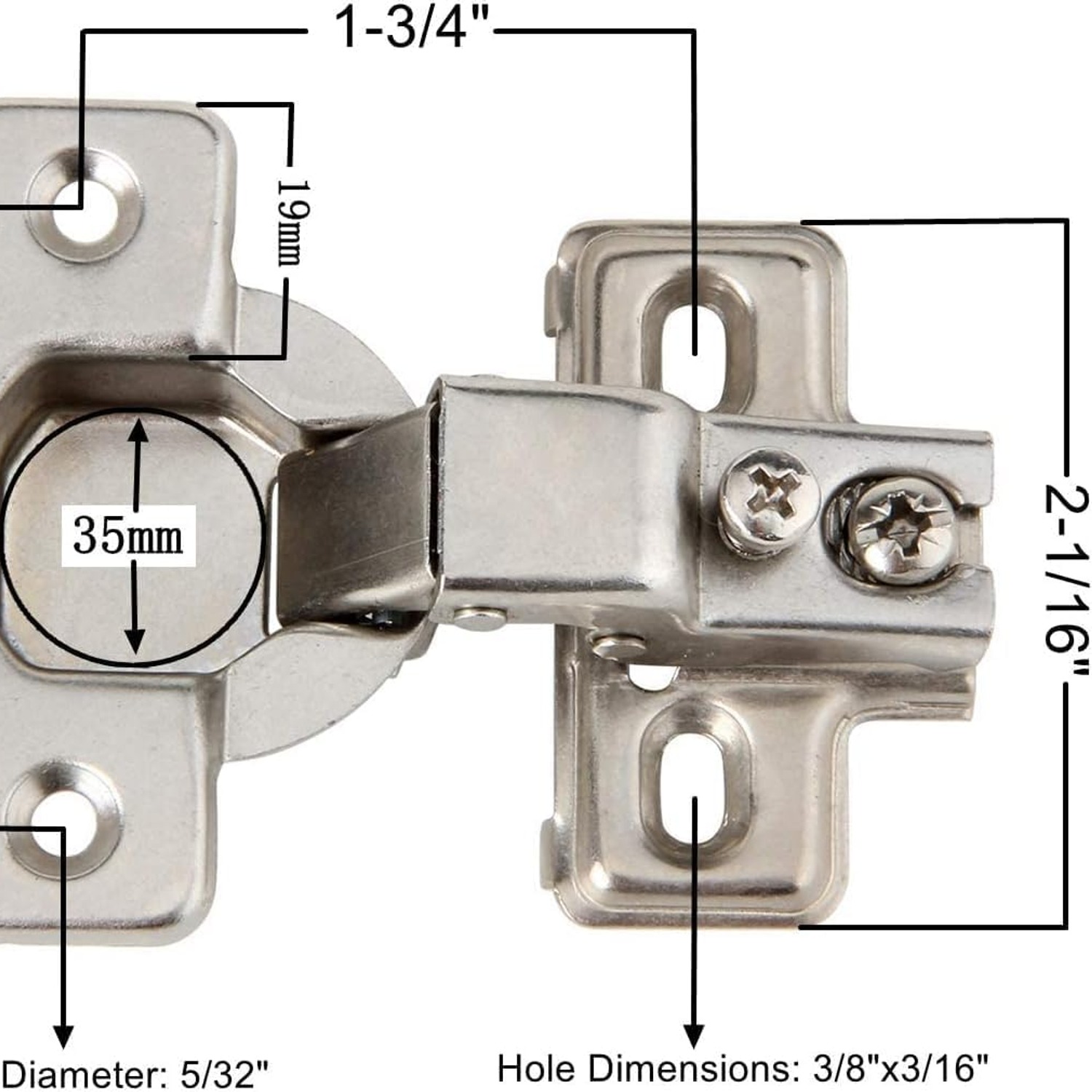
Replacement cupboard hinges need more than a matching finish. Before ordering, record the mounting positions on the door and frame. Check the existing recess, if present, and note how far the door overlaps the cabinet opening.
The Silverline listing does not provide overall dimensions, cup size, drilling depth or overlay. It also does not list a supported door thickness range. These are gaps to resolve before installation, particularly if you want to use existing holes.
Avoid assuming that a familiar-looking concealed hinge uses the same drilling pattern. Even a small difference can leave the door sitting poorly or make the old holes unusable.
If you cannot confirm a measurement, ask for a dimensioned drawing or help from someone who fits cabinet hardware. A short check now is easier than repairing a door after drilling in the wrong place.
Plan what the six-pack will cover
The pack contains six hinges with mounting plates and screws. That gives you a clear quantity for planning, but it does not establish how many doors you can safely hang.
The number of hinges needed depends on the door and the hinge's supported load. Door height, weight and construction all matter. This record does not supply a load rating or spacing chart, so do not treat six hinges as a guaranteed three-door set.
Count the hinges on your current doors, then check the fitting requirements for the replacement. Matching the old count may be a useful reference, but it is not a substitute for confirmed guidance.
For a larger project, make a simple door-by-door note. It can help you avoid mixing different hinge requirements across cupboards that look alike from the outside.
Understand the finish and materials
The product details list alloy steel and nickel, with a satin nickel finish. Satin nickel cabinet hinges offer a muted metallic appearance rather than a bright, mirror-like look.
Concealed hinges are mainly seen when the door is open, but the finish can still matter beside handles or other visible fittings. Compare the listing images with your existing hardware while allowing for differences in screen colour and lighting.
The material description does not establish a corrosion rating. It also does not confirm suitability for outdoor use or wet conditions. If you are choosing hardware for an area exposed to moisture, ask about that use directly.
For an ordinary cupboard project, accurate fit remains the first concern. A close finish match will not make up for the wrong mounting geometry.
Check the screws and mounting surface
The listing states compatibility with number 8, 3/4-inch screws, and screws are included in the pack. Check the supplied fixings against the actual frame and door before fitting them.
Screw length matters because the fixing must hold without passing through the material. Existing screw holes also need to be sound. If a screw turns without tightening, fitting another hinge over the same weak hole will not restore a secure attachment.
Do not assume a longer screw is the answer. The right repair depends on the cabinet material and the space available behind the fixing point.
Inspect the frame for splits or damage while the door is supported. If the mounting area is weak, deal with that before hanging the door again. Good hardware needs a sound surface to attach to.
Take installation one door at a time
Before removing old hardware, support the door so its weight does not pull on the remaining screws. Keep the old parts until you have checked the replacement against them.
Compare one new hinge and plate with the existing arrangement before committing to the whole project. This gives you a chance to spot a mismatch early. Do not drill new holes simply because the supplied screws are ready to use.
Follow the fitting instructions supplied with the product, if available. The maker does not specify adjustment directions or an adjustment range, so those details should not be guessed.
After fitting, open and close the door gently. Check for rubbing, uneven gaps and contact with nearby surfaces. If something binds, stop and find the cause rather than forcing the movement.
Keep the hardware clean and checked
Routine care can be simple. Wipe accessible surfaces with a soft cloth and dry them after cleaning. Avoid abrasive pads and harsh cleaners that could mark the finish.
From time to time, check for loose fixings, especially if a door begins to sit differently. Tighten carefully rather than applying enough force to damage the screw hole.
No product-specific lubrication instructions are provided in the maker's listing. Check the manufacturer's guidance before adding oil or another treatment. A product that works on one hinge mechanism may not be the right choice for another.
Also pay attention to how the cupboard is used. Pulling sideways on an open door or pushing it beyond its intended angle puts strain on the fittings and mounting points.
Check the purchase details too
For kitchen cabinet door hinges, the fit checks deserve most of your attention. Delivery and return details still matter, especially when a repair leaves a cupboard out of use.
A delivery lead time and warranty are not listed by the maker. Check our shipping page and read the current return conditions before ordering.
Keep packaging and avoid modifying parts until you are satisfied that the hardware is suitable. If something looks wrong, contact the store before proceeding. It is easier to discuss an unused part than a hinge or door that has already been altered.
The short version
The Silverline 35105 is a six-pack of concealed, self-closing hinges for face-frame cabinets. It has a stated 105 degree opening, a satin nickel finish, and included plates and screws.
Choose it only after checking the cabinet type and mounting requirements. Confirm the missing dimensions, overlay and door requirements rather than assuming a universal fit. If those details line up, you can approach the cupboard hinge replacement with a clear plan and fewer surprises.