
The complete guide
A Practical Guide to Choosing and Fitting Brass Barrel Hinges
When visible hinges spoil the finish
A small wooden box can look just right until a large hinge leaf interrupts the back edge. You may want the joinery, grain or finish to take centre stage, with the working parts kept out of sight. That is where brass barrel hinges are worth considering.
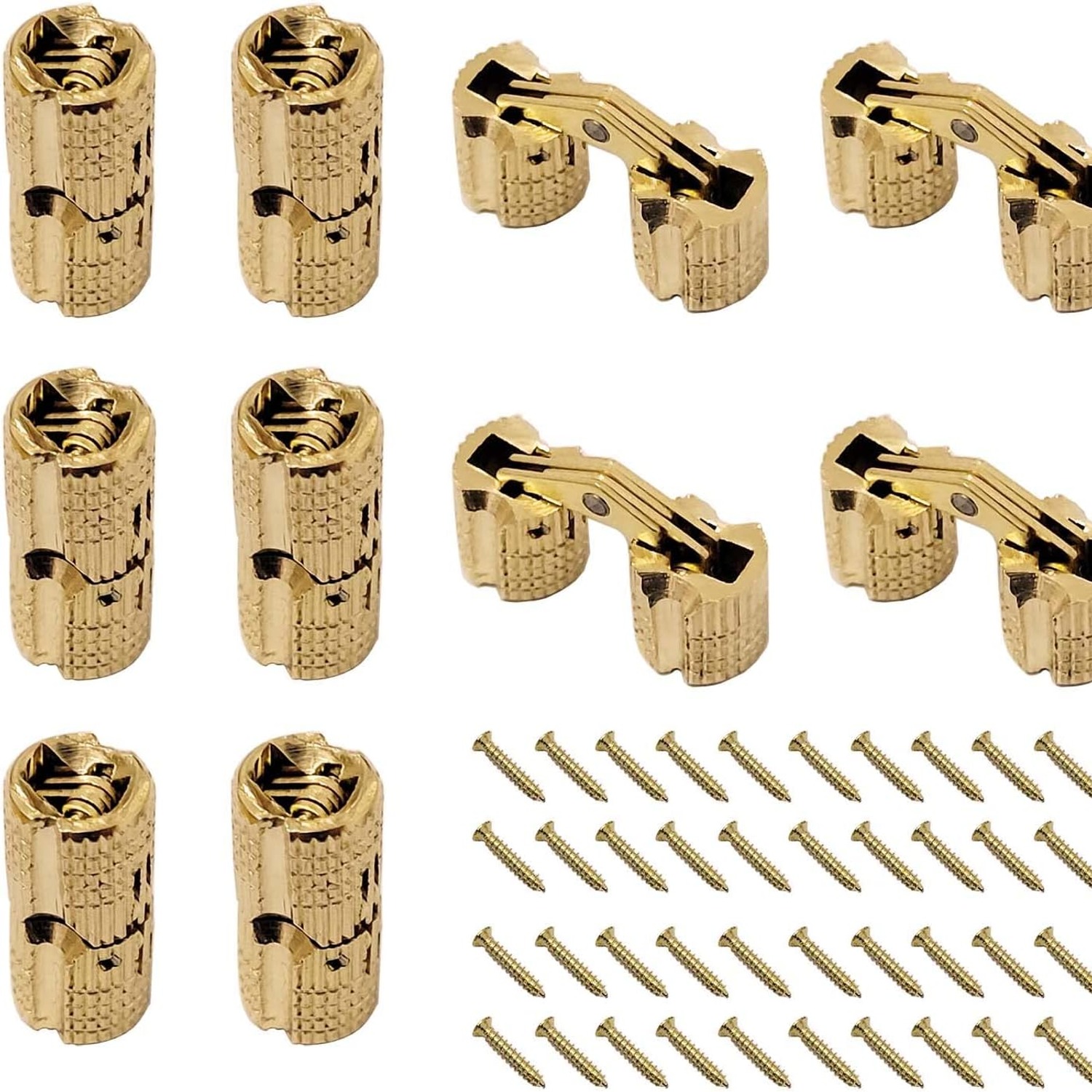
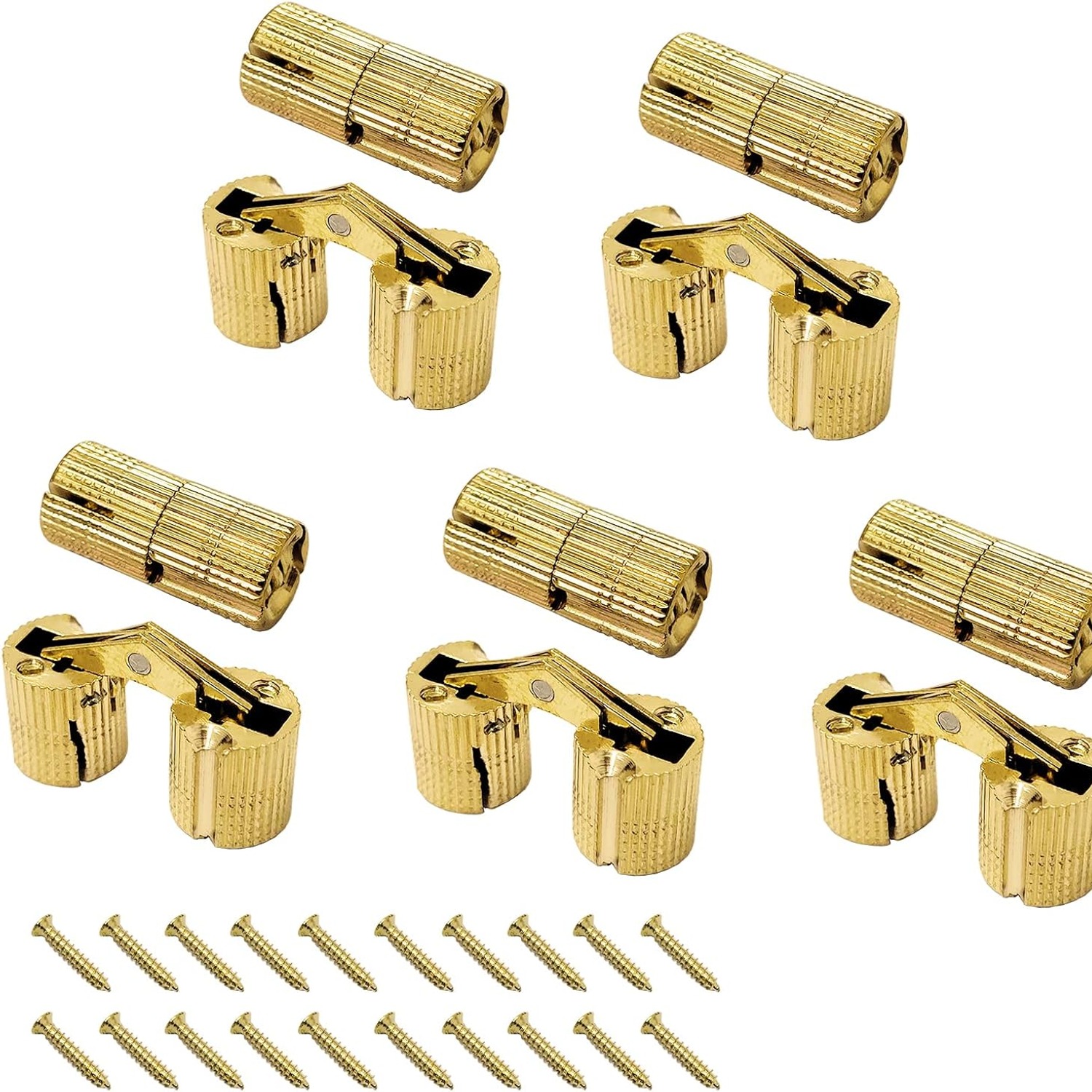
These Auto-plaza hinges use a concealed format for suitable lightweight projects. The listing names jewellery boxes, wine boxes, furniture and lightweight caravan worktops as possible uses. They come in a pack of 10, with screws included.
The important question is not simply whether hidden hardware looks better. It is whether the hinge fits the material, carries the intended job and allows the joint to move as planned. A few checks before buying can save a damaged lid or a set of misplaced holes.
How a concealed barrel hinge works
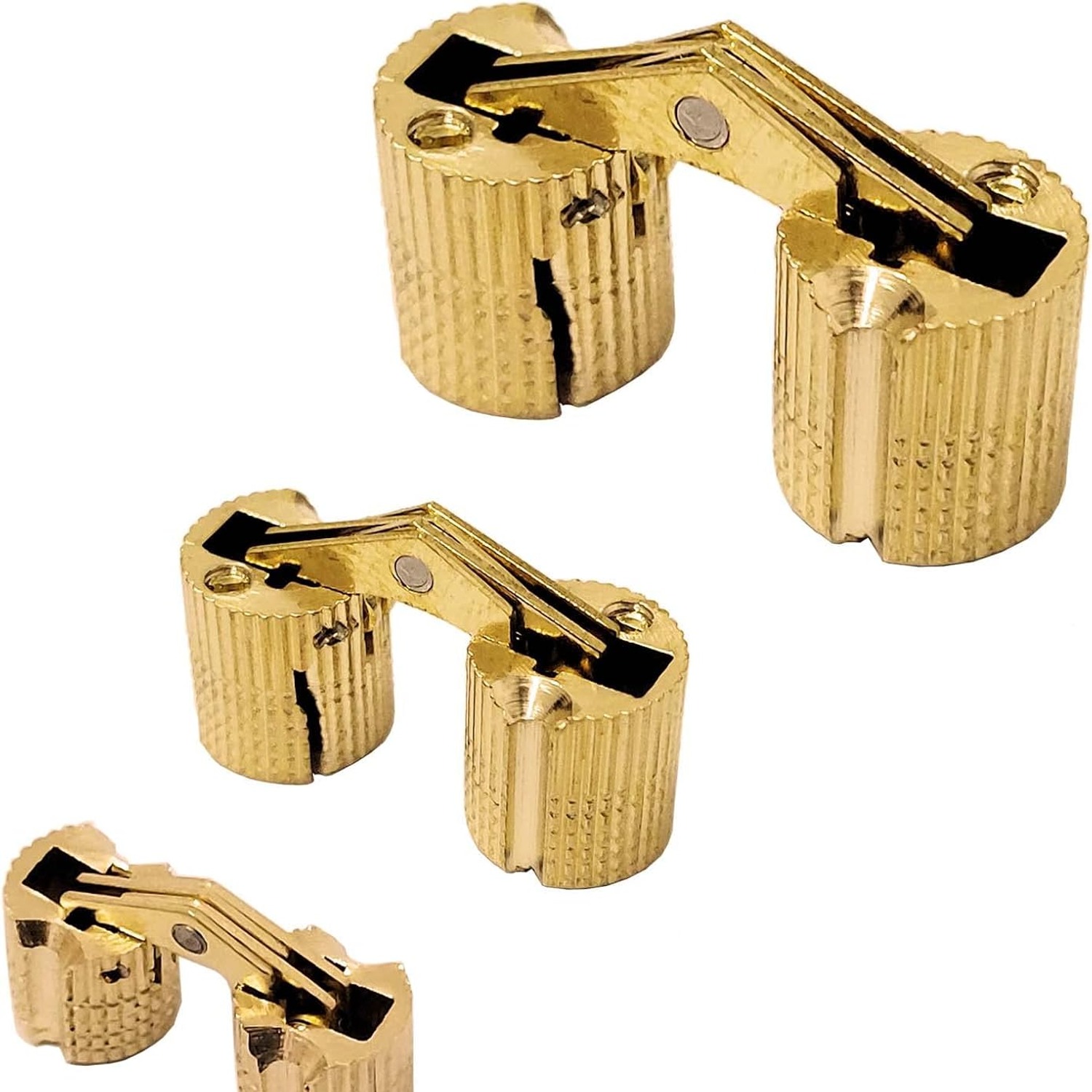
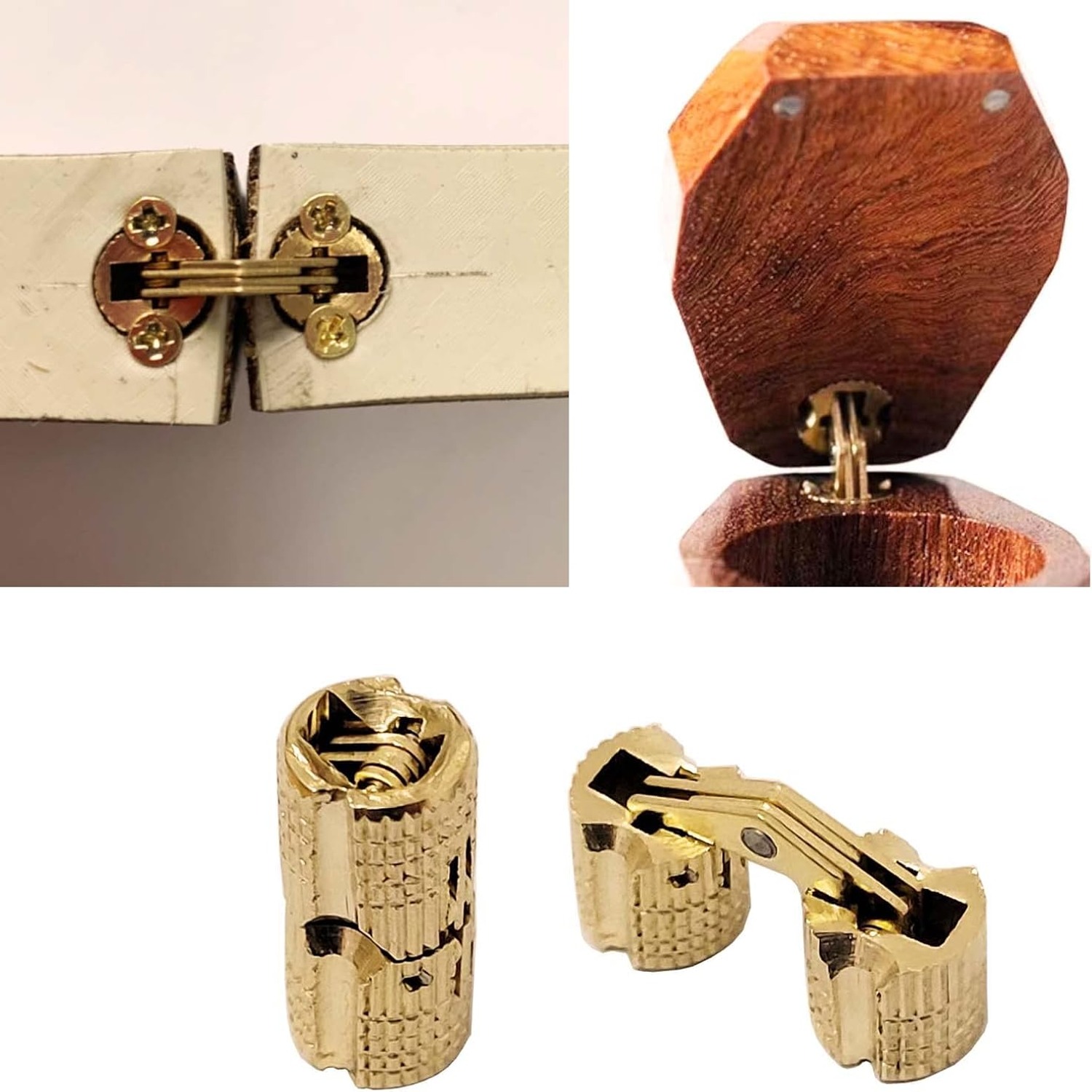
A barrel hinge sits within holes prepared in the two adjoining pieces. Its pivot allows one piece to move relative to the other. Compared with a surface-mounted hinge with broad leaves, this calls for a different fitting approach.
The holes must line up well enough for the hinge to work without forcing the joint. If the two halves sit at different angles or depths, the lid may bind, close unevenly or put strain on the surrounding material.
That makes marking and drilling part of the design, not just the final assembly. When choosing concealed hinges for wooden boxes, think about where the hinge bodies will sit inside the timber. The outside appearance tells only part of the story.
The listing identifies this product as flush mount. It does not provide a full installation drawing, so confirm the fitting details before starting.
Read the size information carefully
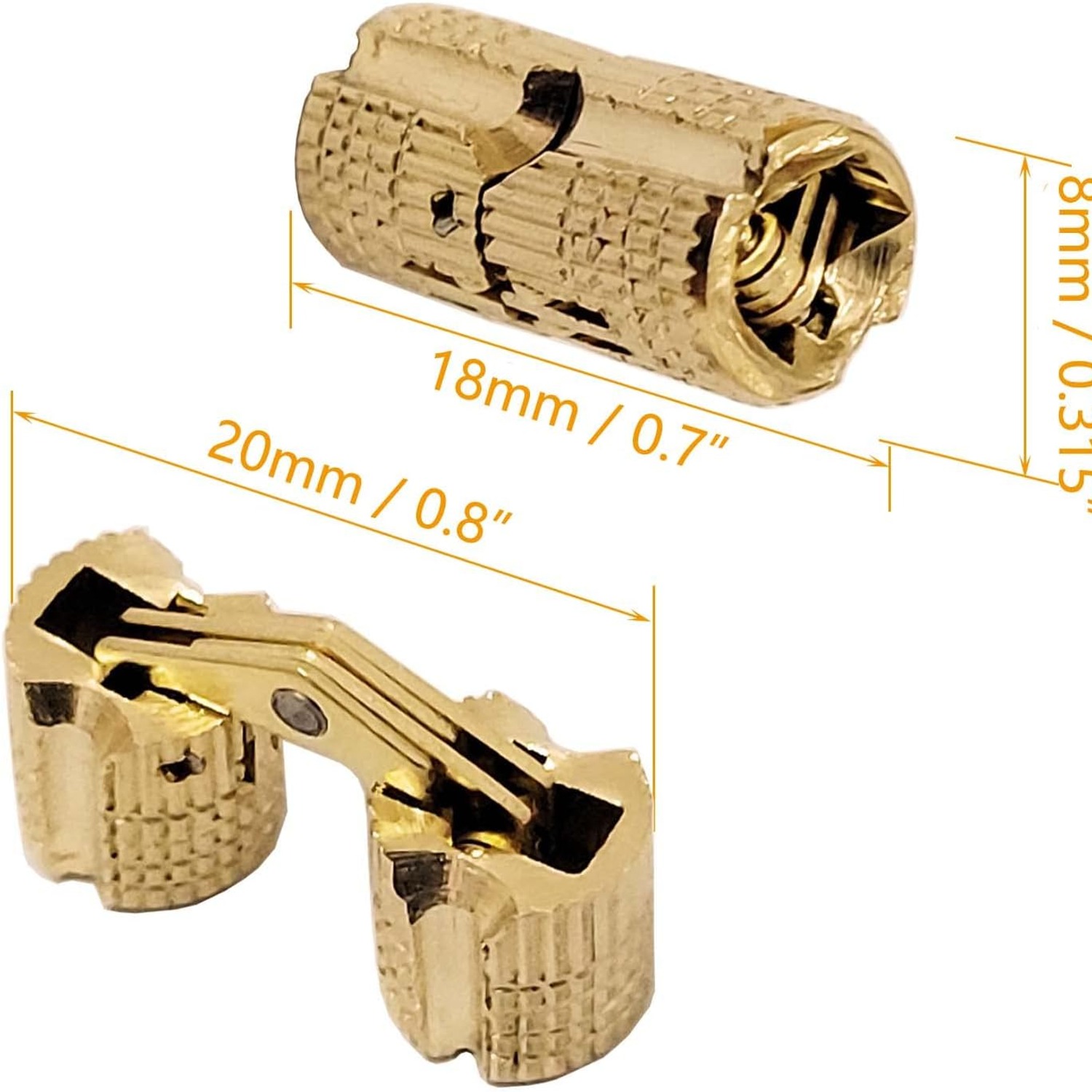
The stated hinge size is 8mm x 18mm. Use that as a starting point when deciding whether the hardware belongs in your project. It is not a substitute for checking the actual hinge and its required seating depth.
The maker's listing also contains item dimensions of 14 cm long by 10.2 cm wide. It does not explain what those measurements refer to. They should not be treated as the dimensions of an individual hinge or used as a drilling template.
This distinction matters when ordering small brass hinges online. Product records can include more than one set of measurements, and not every set describes the working part.
If your design leaves little spare material around a hinge hole, get the missing fitting information first. A narrow box wall gives you less room to correct a mistake than a thick test piece does.
Choose for the job, not just the appearance
Jewellery box hinges and wine box hinges are natural uses to consider because both can involve small lids and a preference for discreet hardware. Even so, the box must have enough material to accept the hinge securely.
Look at the lid as well as the base. A thick or decorated lid may place different demands on the joint from a plain, thin one. There is no stated load capacity for this product, so its small size should not be used to guess a safe working weight.
The listing also mentions cabinets and tables. Those are broad categories, not a promise that the hinges suit every door or folding surface. Hidden hinges for cabinets need to match the door construction, clearance and support needs.
For heavy parts, overhead lids or anything that could injure someone if it failed, choose hardware with clear application and load information.
Understand what 180° opening means
These hinges have a listed opening angle of 180°. That describes the hinge's stated movement, but the finished project must leave room for that movement.
A lid may meet the back edge of the box before it reaches the full angle. A nearby wall or another part of the furniture may also stop it. Hinge position and the shape of the joint affect the result.
Before drilling, think through the complete swing of the lid or panel. A simple mock-up can help you spot a collision that is hard to see when the parts are lying flat on a bench.
Also keep opening angle separate from lid support. Nothing in the maker's listing says the hinge holds a lid open or controls its descent. If that matters, assess a separate support suited to the finished project.
Check the material around the joint
When you compare flush mount hinges, allow space for more than the visible opening. The surrounding material needs to remain sound after the hinge holes are made.
Check for cracks, damaged edges and weak areas near your intended positions. Avoid assuming that any piece thick enough to contain the hinge is automatically strong enough for the job.
The workpiece material also affects how you approach drilling and fastening. The brief lists brass as the hinge material, but it does not set out an approved range of board types or minimum timber thicknesses.
If you are unsure about a delicate box or thin panel, ask a joiner or hardware specialist to review the layout. That is often easier than trying to repair a split edge after installation.
Plan the pack before you start
This pack contains 10 hinges and includes screws. That gives you a clear quantity to work with, but it does not decide how many hinges each lid needs.
Choose the hinge arrangement based on the joint and the support it requires. Do not assume a standard number will suit every box, or that adding more hinges will solve a poor layout. Extra hinges also need accurate alignment.
The screw dimensions are not supplied in the maker's listing. Check the included screws against your workpiece before fitting them, especially where a tip could break through a thin face.
If you are making several matching boxes, finish one test joint first. Once its movement and closing position are right, you can use that result to guide the remaining pieces.
Take time over the first fitting
Start by marking the mating pieces clearly so you know which edges belong together. Decide where the lid should sit when closed, including any gap your design requires.
Next, confirm the actual hardware measurements. The nominal 8mm size alone does not tell you every detail of the hole depth or installation method. Use confirmed fitting guidance rather than guessing from a photograph.
Practise on scrap material that resembles the finished workpiece. This lets you check your marking, drill control and joint movement without risking the final box.
Bring the parts together gently during a trial fit. If the joint resists movement, stop and find the cause. Forcing a hinge can hide an alignment problem until the wood or fasteners take the strain.
Think carefully about furniture and caravan uses
Barrel hinges for furniture can be useful where the hardware needs to stay discreet, but furniture varies widely in weight and use. A small occasional lid is a different task from a large moving panel.
The listing specifically mentions lightweight caravan worktops. That is a suggested application, not evidence of load testing or performance under travel conditions. No vibration testing, locking feature or working load is stated.
Before choosing caravan worktop hinges, consider how the surface will be supported when open and secured when travelling. The hinge should not be expected to perform a support or locking role that is not described.
The same caution applies to lightweight table hinges. Work out which parts carry the load, and seek rated hardware where that information is needed.
Care for the hinge and the joint
For routine cleaning, wipe the hardware with a soft cloth and dry it afterwards. Avoid abrasive cleaning products that could scratch the metallic finish.
No protective coating or outdoor rating is specified. Do not assume the brass finish will remain unchanged in every setting, especially where moisture is common.
Check the joint from time to time. Look for loose fasteners, movement around the hinge seating or a lid that no longer closes as it did. A change in feel is a reason to inspect, not to push harder.
If the hinge becomes stiff, check alignment and clearance before adding anything to it. The maker's listing gives no lubrication instructions, so get suitable advice if cleaning and inspection do not resolve the problem.
The short version
These 8mm barrel hinges are an option for lightweight projects where a concealed connection suits the design. The pack contains 10 solid brass hinges with screws, and the listed opening angle is 180°.
The main buying checks are fit, clearance and intended load. Confirm the 8mm x 18mm hardware size, leave enough sound material around the joint and test the fitting method on scrap.
Choose with care where specifications are missing. Load capacity, detailed drilling instructions and lid-holding performance are not supplied. If those points matter to your project, settle them before drilling the finished piece.